
Table of Contents
- What a Mold Inspection Covers in a Real Estate Transaction
- When to Order a Mold Inspection During a Home Purchase
- Pre-Purchase Mold Inspection for Homebuyers: What to Expect
- Average Cost of Mold Testing for Real Estate Transactions
- Mold Disclosure Laws for Property Sales: What Sellers Must Tell You
- How to Use Inspection Findings in Negotiations
- Post-Remediation Verification and Closing the Deal
- Frequently Asked Questions
Last Updated: October 2, 2026
What a Mold Inspection Covers in a Real Estate Transaction
A mold inspection for real estate transactions is a professional evaluation of a property’s moisture conditions and fungal growth, conducted before closing to inform the buyer, seller, and lender about potential contamination. At The Mold Consultant, LLC, we’ve performed these assessments for buyers, sellers, and agents across the Oklahoma City metro, and the scope always comes down to two questions: where is moisture entering, and what has it grown.
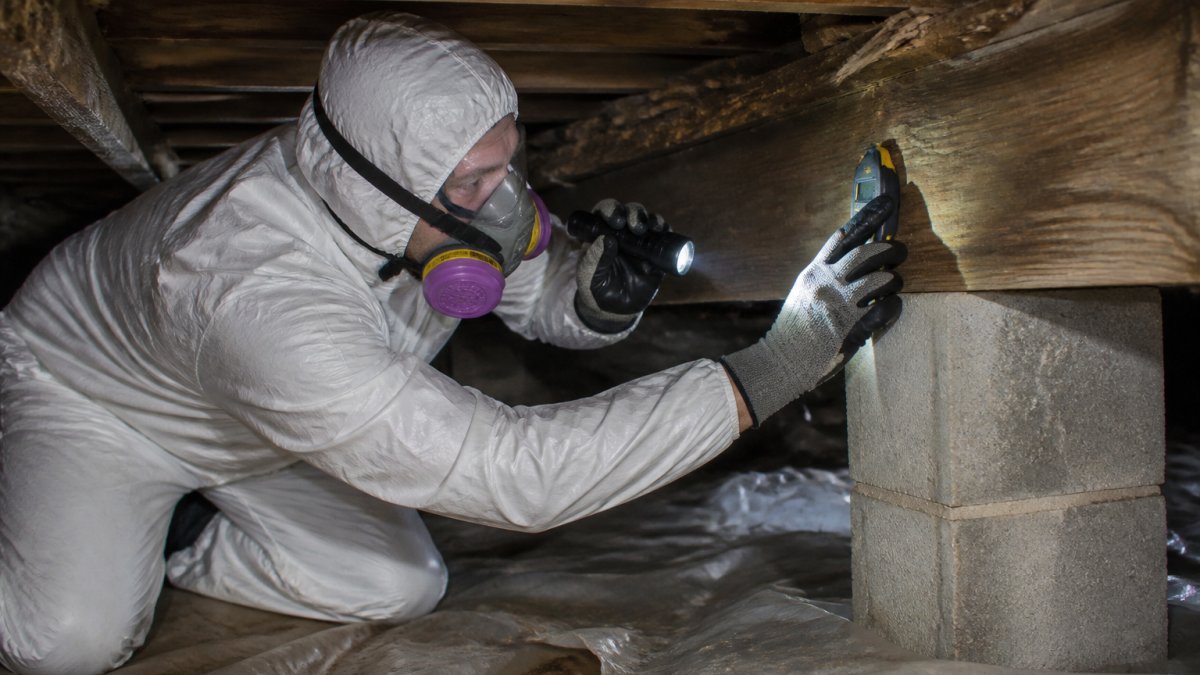
The inspection starts with a visual assessment of the whole structure. Inspectors check the crawl space, attic ventilation, HVAC systems, under sinks, behind appliances, and any area with a history of water intrusion.
Visual Assessment vs. Air Sampling and Surface Testing
Visual assessment documents what the inspector can see and measure. Air sampling captures spore counts in the air, which helps when hidden fungal growth is suspected but not visible. Surface sampling, including swab testing and tape lifts, identifies what is growing on a specific material.
A practical rule: order air sampling when the visual assessment is inconclusive, and surface sampling when you need to identify a visible colony. Neither replaces a thorough visual inspection.
When to Order a Mold Inspection During a Home Purchase
Order a mold inspection during the inspection contingency window, before you release that contingency or finalize your due diligence. Timing matters because the findings need to reach the negotiating table while you still have use to ask for repairs, credits, or a price adjustment.
Red Flags That Justify Testing Before You Close
- A musty odor anywhere in the home, especially in the basement or crawl space
- Visible discoloration on drywall, ceiling tiles, or window trim
- Past water damage that was “fixed” without documentation
- A recent roof leak, burst pipe, or HVAC condensation problem
- High relative humidity in the crawl space or a poorly ventilated attic
- A seller disclosure that mentions prior water intrusion
Ask the seller for the remediation protocol and clearance testing documentation from any prior mold work. If they can’t produce it, treat the repair as unverified and inspect accordingly.
Pre-Purchase Mold Inspection for Homebuyers: What to Expect
A pre-purchase mold inspection for homebuyers typically takes two to three hours on an average single-family home and produces a written report within a few business days. The inspector arrives, reviews the property history with you or your agent, then walks the structure room by room. Expect questions about that musty smell in the hallway, the stain on the ceiling, and whether the HVAC filter has been changed.
The report you receive should include the inspection findings, moisture readings, photographs of any suspect areas, and, if samples were taken, the lab analysis results. A good report tells you where the water is coming from, not just that mold is present.
Average Cost of Mold Testing for Real Estate Transactions
Pricing varies depending on the square footage and complexity of the structure, the number of samples collected, and whether laboratory analysis is included.
Sample count is the biggest lever.
| Inspection Scope | What It Typically Includes | Typical Price Band | Best For |
|---|---|---|---|
| Visual assessment only | Moisture mapping, photo documentation, written findings | Low hundreds | Small homes, no visible growth, tight timelines |
| Visual + air sampling | Indoor and outdoor control samples, spore counts, lab analysis | Mid-hundreds | Suspected hidden growth behind walls or above ceilings |
| Visual + surface sampling | Swab or tape lift, genus identification | Mid-hundreds | Visible colonies that need species identification |
| Full assessment | Visual, air, and surface sampling plus HVAC and crawl space review | Upper hundreds | Pre-purchase due diligence and post-remediation clearance |
Two cost traps are worth flagging. First, a cheap inspection that skips the outdoor control sample gives you spore counts with nothing to compare them against, which weakens the report in negotiation.
If you are weighing whether testing is worth the fee, compare it to the alternative.
When you request quotes, ask each inspector how many samples are included, whether an outdoor control sample is standard, and how quickly the lab report arrives. Those three answers separate a real inspection from a checkbox service.
Mold Disclosure Laws for Property Sales: What Sellers Must Tell You
There is no federal mold disclosure mandate, and no federal agency sets an indoor mold threshold that triggers a sale obligation. That surprises most buyers, who assume a national rule exists. The EPA’s guide to mold in homes explains why no federal threshold applies, and the CDC’s mold resources covers the health context. What actually governs your transaction is state law, and it falls into three rough buckets.
Bucket two: states with a general property condition disclosure that captures water intrusion. This is the most common pattern.
Bucket three: caveat emptor states with limited or no disclosure duty. A handful of states place most of the burden on the buyer to inspect.
Because the rules are state-specific, buyers should pull their state’s actual disclosure statute or the promulgated disclosure form rather than assume a federal standard applies.
A seller’s verbal assurance that the home “has never had mold” is not a disclosure. Get it in writing on the state form or in an email, because that written record is what supports a claim if hidden growth is later found.
How to Use Inspection Findings in Negotiations
Inspection findings become negotiation use when they are specific, documented, and tied to a cost. A report that says “mold present in the crawl space” is weak. A report that says “elevated spore counts in the crawl space traced to a failed vapor barrier and a downspout discharging against the foundation” gives you a defined scope and a defensible ask.
Sample Negotiation Language for Buyers
“Based on the mold inspection completed on [date], elevated moisture and visible fungal growth were identified in the crawl space, traced to a failed vapor barrier. We request that the seller either (a) complete remediation per a written protocol and provide post-remediation clearance testing, or (b) credit $[amount] at closing so the buyer can manage remediation directly.
Fill in the bracketed fields with your actual findings and timeline. Keep the ask tied to the report, not to emotion.
Do not accept a seller’s promise to “spray some bleach and call it fixed.” Surface treatment without addressing the moisture source means the growth returns, and you inherit the problem after closing.
Post-Remediation Verification and Closing the Deal
Post-remediation verification is a separate inspection performed after cleanup to confirm the work actually worked. Clearance testing, which includes visual confirmation and air sampling, is what turns a remediation claim into documented evidence. Without it, you have a contractor’s word and nothing to fall back on if the problem resurfaces.
Schedule verification before you close if remediation is part of the deal, and make sure the report is included in the closing documents.
The inspection report and clearance documentation are your protection after closing. Get them in writing, get them before you sign, and keep them.
At The Mold Consultant, LLC, we provide neutral inspection and post-remediation verification with written documentation you can use in negotiations, insurance claims, or tenant disputes. Our team holds CMRS, CR, and CRMI credentials, and we offer discounts for veterans, teachers, and first responders.
A mold issue discovered mid-transaction can stall a closing or cost you thousands after you move in. The Mold Consultant, LLC provides non-destructive mold inspection, air quality testing, and post-remediation verification with clear written reports you can act on.
Frequently Asked Questions
How much will a mold inspection cost?
The average cost of mold testing for real estate depends on the size of the property, the number of samples collected, and whether air sampling, surface sampling, or both are needed. The Mold Consultant, LLC publishes current pricing on its website, so you can get an exact quote before scheduling.
Who pays for mold inspection, buyer or seller?
In most residential transactions, the buyer pays for the mold inspection as part of their due diligence. However, if the seller’s disclosure reveals prior water intrusion or the buyer’s general home inspector flags visible fungal growth, the seller may agree to cover the cost or credit the buyer at closing. Negotiation leverage often depends on what the inspection report documents and how the purchase agreement is written.
Can you sell a house after mold remediation?
Yes. A property can be sold legally after remediation is completed, but most buyers and lenders will want proof that the work was done correctly. Post-remediation verification, which includes clearance testing and a written protocol from a certified inspector, gives buyers confidence and satisfies lender requirements. Without documentation, the mold stigma can follow the property and delay or kill the sale.
How can a buyer verify if a seller disclosed known mold issues?
Start by reviewing the seller’s disclosure statement carefully. If mold disclosure laws for property sales in your state require disclosure of known defects, compare that statement against the inspection report, repair receipts, and any insurance claims. You can also ask for remediation invoices, clearance letters, and moisture mapping records. If discrepancies exist, consult a real estate attorney about your options before closing.
Is a mold inspection required by mortgage lenders in real estate transactions?
Most mortgage lenders do not require a mold inspection as a standard condition of financing. However, if the appraisal notes visible mold or moisture damage, or if the property has a history of water intrusion, the lender may require a professional inspection and clearance before funding. Some loan programs, such as VA loans, have stricter property condition requirements that can trigger additional testing.
What steps can a buyer take if mold is discovered during a home inspection?
First, get a professional mold inspection with lab analysis to confirm the type and extent of fungal growth. Then, request a remediation estimate from a licensed contractor. Use those documents to negotiate repairs, a price reduction, or a seller credit. If the seller refuses, you can walk away during the inspection contingency period. Always get post-remediation verification before closing to confirm the issue is resolved.